Tests for Diagnosing Heart Conditions
Heart conditions are among the leading health concerns worldwide, and early diagnosis plays a major role in preventing serious complications. Symptoms such as chest pain, breathlessness, fatigue, dizziness, or irregular heartbeat should never be ignored. Modern diagnostic testing helps doctors evaluate heart function, detect cardiovascular problems early, and guide proper treatment planning.
A variety of cardiac tests are available today, ranging from simple blood tests to advanced imaging procedures. These investigations help identify issues like blocked arteries, heart failure, rhythm disorders, and damage to the heart muscle.
Common Tests Used to Diagnose Heart Conditions
Doctors recommend different tests depending on symptoms, medical history, age, and cardiovascular risk factors. Routine screening is especially important for individuals with diabetes, high blood pressure, obesity, smoking habits, or family history of heart disease.
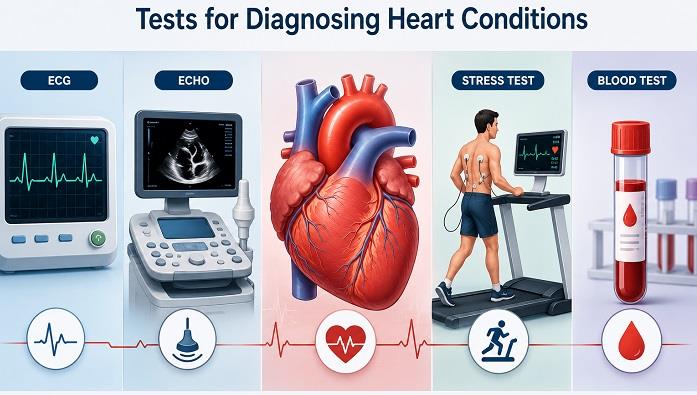
Electrocardiogram (ECG)
An ECG is one of the most commonly performed cardiac tests. It records the electrical activity of the heart and helps identify abnormal heart rhythms, previous heart attacks, or signs of reduced blood flow to the heart muscle. This test is quick, painless, and often used during emergency cardiac evaluation.
Troponin I Test
The Troponin I Test helps detect damage to the heart muscle and is widely used for diagnosing Heart Attack. Elevated troponin levels may indicate heart injury caused by blocked blood flow or other cardiac conditions.
Doctors often recommend this test when patients experience chest pain, sweating, dizziness, or shortness of breath.
Lipid Profile Test
The Lipid Profile Test measures cholesterol and triglyceride levels in the blood. High cholesterol can increase the risk of blocked arteries and cardiovascular disease. Routine lipid screening helps identify heart risk early and supports preventive care.
Advanced Cardiac Diagnostic Tests
In some cases, doctors may recommend additional tests to evaluate heart structure, blood flow, and overall cardiac function more accurately.
Echocardiography
Echocardiography is an ultrasound-based imaging test that creates real-time images of the heart. It helps assess heart valves, pumping efficiency, blood flow, and structural abnormalities. This test is commonly used to evaluate conditions such as Heart Failure and valve disorders.
Stress Test
A stress test evaluates how the heart performs during physical activity. It helps identify reduced blood flow to the heart that may not appear while resting. Patients usually walk on a treadmill or receive medication that increases heart activity while doctors monitor ECG changes and heart response.
NT-proBNP Test
The NT-proBNP Test is used to help diagnose heart failure. Elevated levels may indicate that the heart is under stress or not pumping blood efficiently. This test is especially useful in patients with unexplained breathlessness or swelling in the legs.
Importance of Preventive Heart Screening
Many heart diseases develop gradually and may not show noticeable symptoms in the early stages. Preventive screening helps identify risk factors before severe complications occur.
People with diabetes, hypertension, obesity, smoking habits, stress, or sedentary lifestyles should consider regular cardiac health monitoring. Early detection can significantly improve treatment outcomes and reduce the risk of major cardiac events.
Diagnostic providers like Thyrocare Technologies Limited and Metropolis Healthcare offer preventive heart health packages that include blood tests, cardiac markers, cholesterol analysis, and other essential investigations.
Heart diagnostic tests play a vital role in identifying cardiovascular conditions early and guiding timely treatment. From ECG and cholesterol testing to advanced imaging and cardiac biomarkers, each investigation provides important insights into heart health.
Recognizing symptoms early and undergoing preventive screening can help reduce the risk of serious complications and support long-term cardiovascular wellness.