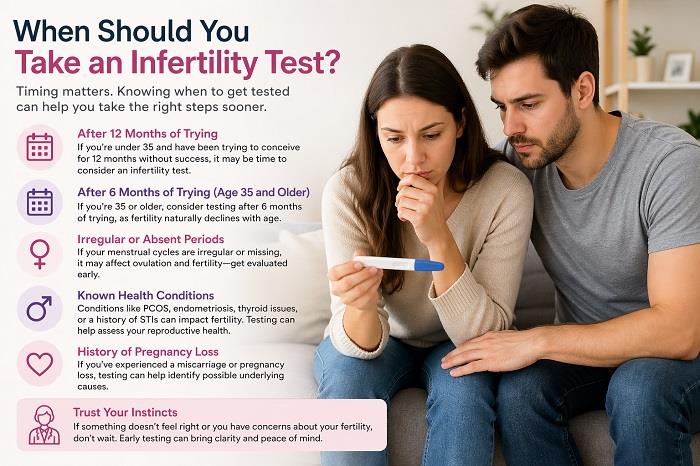
when to take infertility test
Infertility is becoming an increasingly common concern among couples in India. Changing lifestyles, stress, delayed marriages, and medical conditions are some of the key factors contributing to fertility challenges. However, one of the biggest mistakes couples make is delaying fertility testing, assuming that conception will happen naturally over time.
Understanding when to take an infertility test can help identify issues early and improve the chances of successful treatment. Recognizing early warning signs is the first step toward better reproductive health and timely medical support.
What is an Infertility Test?
An infertility test is a combination of diagnostic evaluations that assess reproductive health in both men and women. These tests typically measure hormone levels, ovulation patterns, sperm quality, and other biological factors that influence fertility.
Early testing helps doctors identify the root cause of infertility and recommend personalized treatment plans. It also prevents unnecessary delays in starting appropriate medical care.
When Should You Consider an Infertility Test?
- Trying to Conceive for a Long Time : Couples who have been trying to conceive for over a year without success should consider getting tested. For women above the age of 35, this duration reduces to six months, as fertility declines with age.
- Irregular Menstrual Cycles: Women experiencing irregular, very painful, or missed periods may have underlying hormonal imbalances or ovulation issues. These conditions can significantly affect fertility and should be evaluated early.
- Known Medical Conditions: Conditions such as PCOS, thyroid disorders, diabetes, or endometriosis can interfere with reproductive health. If you have any of these, early fertility testing is strongly recommended.
- History of Miscarriage: Repeated miscarriages may indicate hormonal or genetic issues. Infertility testing can help identify the cause and guide appropriate treatment.
- Male Fertility Concerns: Infertility is not just a female issue. Men with low sperm count, poor sperm motility, or a history of medical conditions affecting reproductive health should also undergo testing.
Early Signs of Infertility You Shouldn’t Ignore
- Hormonal Imbalance Symptoms: Symptoms like sudden weight gain, acne, excessive hair growth, or mood changes may indicate hormonal imbalances, especially in women. These can affect ovulation and overall fertility.
- Sexual Health Issues: Low libido, pain during intercourse, or erectile dysfunction in men can be signs of underlying fertility problems.
- Chronic Health Issues: Long-term health conditions such as obesity, high blood pressure, or autoimmune disorders can impact reproductive health and reduce the chances of conception.
- Lifestyle Factors: Smoking, alcohol consumption, poor diet, lack of exercise, and high stress levels are all linked to reduced fertility in both men and women
Types of Infertility Tests
- Hormone Testing: Hormone tests evaluate levels of key reproductive hormones such as FSH, LH, estrogen, progesterone, and testosterone. These tests help assess ovulation and overall reproductive function.
- Ovulation Testing: Ovulation tests determine whether a woman is releasing eggs regularly. This is crucial for understanding fertility patterns.
- Semen Analysis: For men, semen analysis is one of the most important tests. It evaluates sperm count, motility, and morphology.
- Imaging and Advanced Tests: In some cases, doctors may recommend ultrasound or other imaging tests to examine reproductive organs and detect structural abnormalities.
Why Early Testing is Important
- Faster Diagnosis and Treatment: Early testing helps identify the exact cause of infertility, allowing doctors to start targeted treatments without delay.
- Improved Success Rates: The earlier a fertility issue is detected, the higher the chances of successful treatment and conception.
- Reduced Emotional Stress: Infertility can be emotionally challenging. Early diagnosis provides clarity and reduces uncertainty, helping couples make informed decisions.
How to Prepare for an Infertility Test
- Medical History Review: Before testing, your doctor may ask about your medical history, lifestyle, and previous health conditions.
- Timing of Tests: Some tests need to be done on specific days of the menstrual cycle, so proper scheduling is important.
- Lifestyle Adjustments: Maintaining a healthy lifestyle, including a balanced diet and stress management, can improve test accuracy and overall fertility.
Knowing when to take an infertility test can make a significant difference in your fertility journey. Ignoring early signs or delaying testing may reduce the chances of successful treatment over time.
If you and your partner have been trying to conceive without success or are experiencing any warning signs, it’s important to take action early. Fertility testing is a simple yet powerful step toward understanding your reproductive health.