Peripheral Blood Smear Test: What It Is and Why It Is Done
Blood tests are among the most common tools used to understand your health. While routine tests like Complete Blood Count (CBC) provide important numerical values, they don’t always reveal the full picture. Sometimes, doctors need to actually see the blood cells to identify abnormalities. This is where the Peripheral Blood Smear Test becomes essential.
What Is a Peripheral Blood Smear Test?
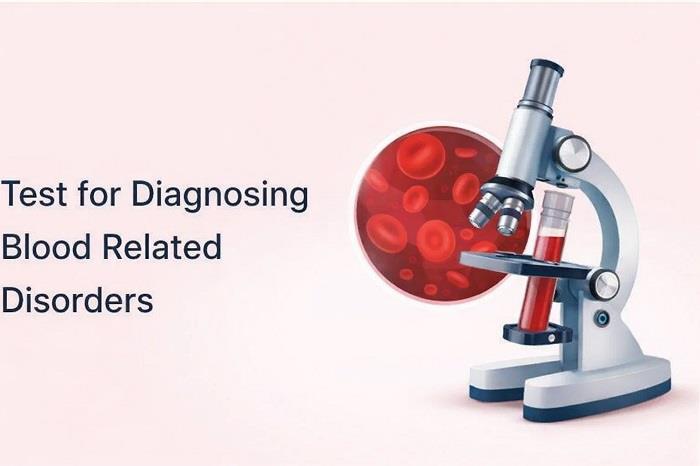
The Peripheral Blood Smear Test is a laboratory test in which a thin layer of blood is spread on a glass slide, stained with special dyes, and examined under a microscope. Unlike automated tests, this method allows a detailed visual assessment of blood cells—their size, shape, structure, and overall appearance.
This test provides valuable insights into three major types of blood cells: red blood cells (RBCs), white blood cells (WBCs), and platelets. Any irregularities in these cells can indicate underlying health conditions that may not be detected through routine tests alone.
Why Is the Peripheral Blood Smear Test Done?
Doctors recommend the Peripheral Blood Smear Test when they suspect abnormalities in blood cells or when routine test results need further evaluation. It helps diagnose and monitor a wide range of conditions.
One of the primary uses of this test is detecting different types of anemia. Changes in the size and shape of red blood cells can help identify iron deficiency anemia, vitamin deficiency anemia, or more complex blood disorders.
The test is also used to identify infections, including parasitic infections like Malaria, where parasites can be directly observed in red blood cells. Additionally, it helps detect serious conditions such as Leukemia by identifying abnormal white blood cells. It is equally useful in evaluating platelet disorders, which may affect blood clotting and increase the risk of bleeding.
What Does the Test Evaluate?
The Peripheral Blood Smear Test provides detailed information about blood cell morphology.
- Red Blood Cells (RBCs): The test examines their size, shape, and color. Abnormalities such as small, large, or irregularly shaped cells can indicate anemia or other blood disorders.
- White Blood Cells (WBCs): It evaluates the number and appearance of different types of white blood cells, helping detect infections, inflammation, or immune-related conditions.
- Platelets: The test checks platelet size and distribution, which is important for understanding clotting disorders.
This visual analysis helps doctors make more accurate diagnoses when combined with other laboratory findings.
Who Should Consider This Test?
You may need a Peripheral Blood Smear Test if you experience symptoms such as persistent fatigue, weakness, unexplained fever, frequent infections, or unusual bleeding or bruising.
It is also recommended when routine blood tests show abnormal results, such as low hemoglobin, unusual white blood cell counts, or platelet irregularities. In some cases, it is part of a broader diagnostic approach for chronic illnesses or unexplained symptoms.
Procedure and Report Time
The procedure for the Peripheral Blood Smear Test is simple and quick. A small blood sample is collected, usually from a vein in your arm. The sample is then processed in a laboratory where a smear is prepared and examined under a microscope by a trained specialist. No special preparation or fasting is typically required. Results are usually available within 24 hours, depending on the laboratory.
Benefits of the Peripheral Blood Smear Test
This test offers several important advantages. It provides a deeper understanding of blood cell structure, helps detect diseases at an early stage, and supports accurate diagnosis of complex conditions. It is especially valuable when automated tests alone are not sufficient. By identifying abnormalities early, the test helps guide timely treatment and improves overall health outcomes.
The
Peripheral Blood Smear Test is a powerful diagnostic tool that goes beyond numbers to reveal what’s actually happening inside your blood. Whether it’s detecting anemia, infections, or serious blood disorders, this test plays a crucial role in accurate diagnosis and effective treatment.
If you have unexplained symptoms or abnormal blood test results, your doctor may recommend this test to gain deeper insights into your health—helping you take the right steps toward better well-being.