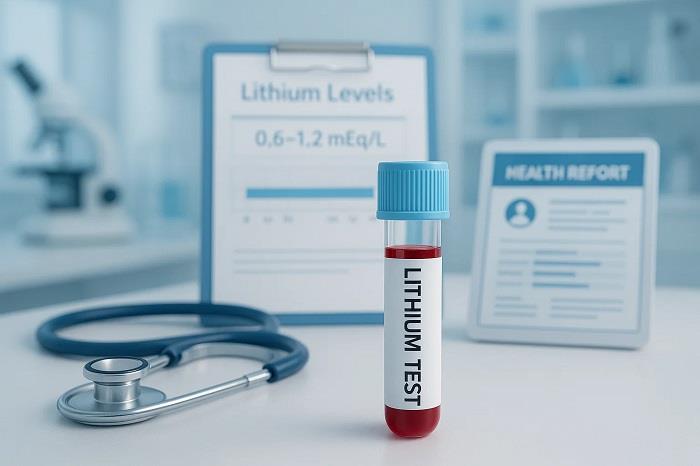
Lithium Test: Understanding Its Importance, Procedure, and Results
The lithium test is a critical diagnostic tool used to measure the concentration of lithium in the blood. This test ensures that lithium levels remain within the therapeutic range for individuals undergoing treatment for mood disorders, particularly bipolar disorder. At BookMyTest, we offer the lithium test at an affordable price of ₹594, with convenient home sample collection and reliable results from our NABL- and ISO-certified labs. Below, we explore the purpose, procedure, and significance of the lithium test to help you understand why it’s essential for managing your health.
What is a Lithium Test?
The lithium test measures the amount of lithium, a mood-stabilizing medication, in your blood. Lithium is commonly prescribed to treat bipolar disorder, a mental health condition characterized by alternating periods of mania (elevated mood and energy) and depression. The test ensures that lithium levels are within a safe and effective range, as both excessively high and low levels can lead to complications. Too much lithium can cause toxicity, leading to symptoms like nausea, tremors, or confusion, while insufficient levels may render the treatment ineffective.
By monitoring lithium levels, healthcare providers can adjust dosages to optimize treatment outcomes and minimize side effects, ensuring the medication works effectively to stabilize mood swings.
Who Should Get the Lithium Test?
The lithium test is recommended for individuals prescribed lithium to manage mood disorders, including:
- Bipolar Disorder: Where individuals experience extreme mood swings, ranging from manic highs to depressive lows.
- Mania or Hypomania: Character —