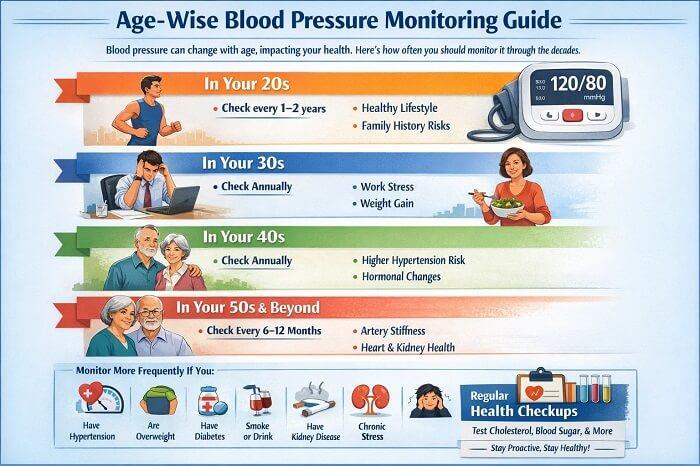
Age-Wise Blood Pressure Monitoring Guide
Blood pressure is one of the most important indicators of overall health. Often called the “silent killer,” high blood pressure (hypertension) may not show noticeable symptoms until serious complications occur. That’s why regular monitoring is essential—and the frequency and approach to monitoring can vary depending on your age. Understanding how blood pressure changes across life stages helps you take preventive action at the right time.
Why Blood Pressure Monitoring Matters at Every Age
Blood pressure measures the force of blood pushing against the walls of your arteries. It is recorded as two numbers: systolic (pressure during heartbeats) and diastolic (pressure between beats). A normal reading for most adults is around 120/80 mmHg. Consistently elevated levels increase the risk of heart disease, stroke, kidney damage, and other serious conditions.
Many people assume blood pressure becomes a concern only in older age, but lifestyle habits, stress, diet, and genetics can influence it much earlier. Monitoring at the right intervals ensures early detection and reduces long-term health risks.
Blood Pressure Monitoring in Your 20s
In your 20s, blood pressure is usually stable if you maintain a healthy lifestyle. However, poor dietary habits, lack of physical activity, obesity, smoking, and high stress levels can trigger early hypertension. It’s recommended to check your blood pressure at least once every 1–2 years if readings are normal.
Those with a family history of hypertension, diabetes, or heart disease should monitor more frequently. Establishing a healthy baseline in your 20s helps identify changes later in life.
Blood Pressure Monitoring in Your 30s
Your 30s are a critical decade. Work stress, reduced physical activity, and weight gain often begin during this stage. Blood pressure may start creeping upward without obvious symptoms. Annual blood pressure checks are strongly recommended.
If readings fall into the “elevated” range (above 120/80 mmHg but below 130/80 mmHg), lifestyle adjustments such as reducing salt intake, exercising regularly, managing stress, and maintaining a healthy weight become crucial.
Blood Pressure Monitoring in Your 40s
In your 40s, the risk of hypertension increases significantly. Hormonal changes, metabolic slowdown, and accumulated lifestyle habits contribute to higher readings. Monitoring should be done at least once a year, and more frequently if you have additional risk factors such as diabetes, high cholesterol, or obesity.
At this stage, doctors may also recommend broader preventive screenings, including lipid profiles and blood sugar testing, to assess overall cardiovascular risk.
Blood Pressure Monitoring in Your 50s and Beyond
After 50, arteries naturally become less flexible, increasing the likelihood of systolic hypertension. Regular monitoring becomes essential—every 6–12 months, or as advised by your doctor. Individuals already diagnosed with hypertension should check their blood pressure more frequently, including home monitoring if recommended.
Early detection at this stage significantly reduces the risk of heart attack, stroke, kidney disease, and vision complications. When to Monitor More Frequently
Regardless of age, you should monitor blood pressure more often if you:
- Have a family history of hypertension
- Are overweight or obese
- Have diabetes or kidney disease
- Smoke or consume alcohol regularly
- Experience chronic stress
- Have previously recorded elevated readings
Home blood pressure monitors can be helpful, but periodic clinical testing ensures accuracy and proper evaluation.
The Role of Preventive Health Checkups
Blood pressure is just one part of cardiovascular health. Comprehensive preventive health checkups help assess related risk factors such as cholesterol levels, blood sugar, kidney function, and inflammation markers. Diagnostic providers like Metropolis Healthcare and Thyrocare offer reliable testing services, and platforms like BookMyTest make it easier to access health packages with affordable pricing and convenient home sample collection.
Regular screening combined with healthy lifestyle choices—balanced diet, physical activity, stress management, and adequate sleep—forms the foundation of long-term heart health.
Blood pressure monitoring isn’t just for older adults—it’s a lifelong responsibility. Starting early, checking regularly, and responding promptly to abnormal readings can prevent serious health complications. By understanding age-wise monitoring needs and taking proactive steps, you can protect your heart and maintain better overall health at every stage of life. To know more about test : https://bookmytest.co.in/category/metropolis