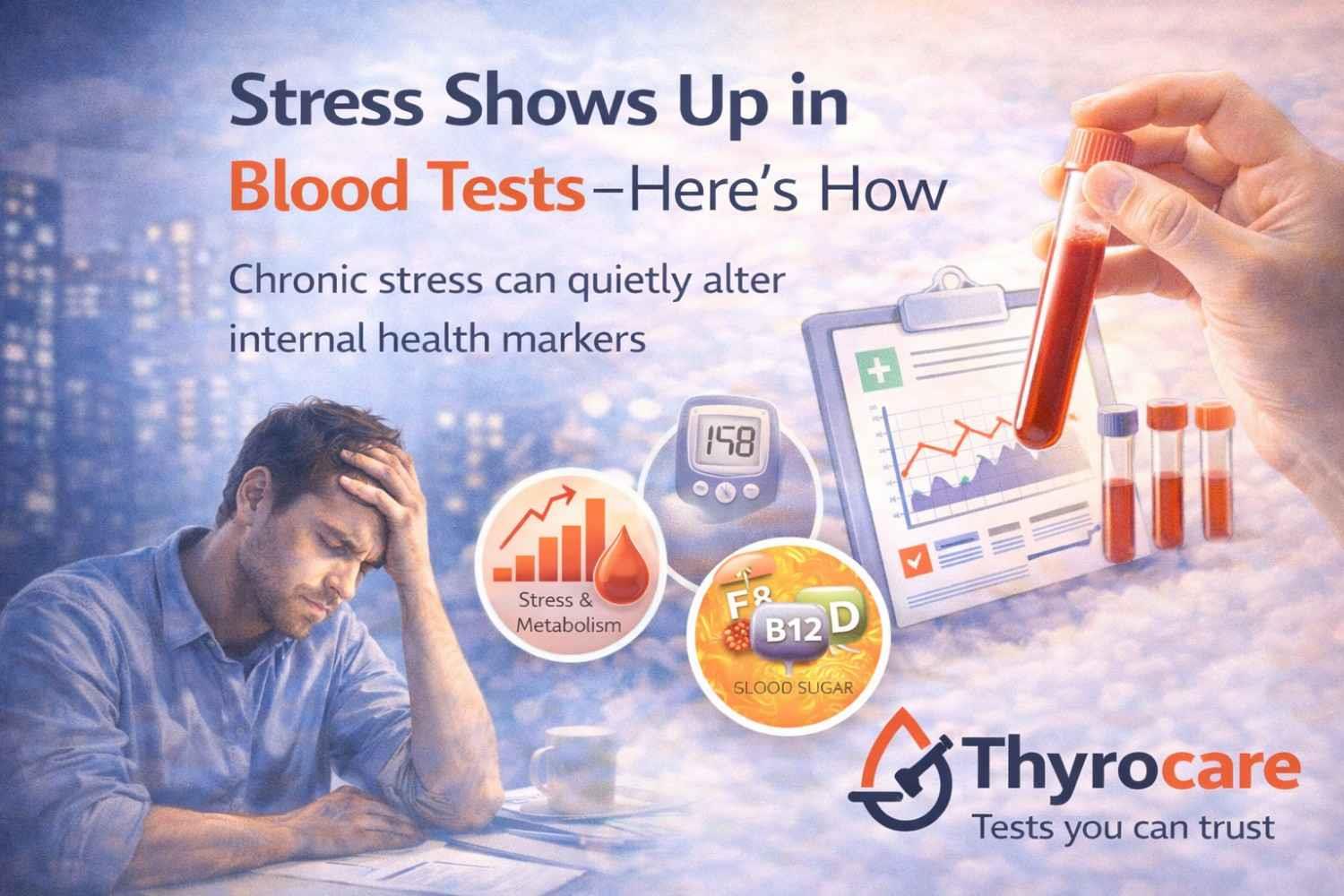
Stress Shows Up in Blood Tests—Here’s How
Stress is often treated as an emotional or mental experience—something that lives in the mind and disappears with rest or time off. But stress doesn’t stay invisible for long. When it becomes persistent, it leaves measurable traces inside the body, quietly altering internal balance. Long before stress causes burnout or visible illness, it often begins showing up in blood test results.
Stress Is a Physical Load on the Body
When the body perceives stress, it shifts into a protective mode. Hormones are released, energy usage changes, and internal systems adapt to cope with perceived demand. While this response is helpful in short bursts, ongoing stress keeps the body in a constant state of adjustment—placing silent strain on metabolism, immunity, and organ function.
How Stress Influences Blood Markers
Chronic stress can influence multiple blood parameters. Metabolic markers may shift as the body prioritises immediate energy needs. Inflammatory indicators can rise subtly, reflecting ongoing internal strain. Over time, stress may also affect nutrient utilisation, blood sugar handling, and lipid balance—even if diet and routine remain unchanged.
Why Stress-Related Changes Are Easy to Miss
Stress-related blood changes rarely trigger immediate symptoms. Most people continue with daily routines, attributing mild fatigue, irritability, or low focus to work pressure. Because these signs feel “normal,” the underlying internal shifts often go unnoticed until blood tests reveal unusual patterns.
Stress and Energy Imbalance
One of the earliest effects of prolonged stress is reduced energy efficiency. The body may feel tired despite adequate sleep, or recovery may feel slower after routine activity. This happens because stress alters how energy is produced and utilised at a cellular level—something that doesn’t show outwardly but appears in blood markers.
Why Symptoms Don’t Tell the Full Story
Stress doesn’t affect everyone the same way. Some people experience physical fatigue, others mental fog, and some notice no clear symptoms at all. This inconsistency makes it difficult to link stress directly to health changes without objective testing. Blood tests help bridge this gap by providing measurable insight into how the body is coping internally.
The Role of Preventive Testing
Routine blood tests help detect early stress-related changes before they evolve into more serious imbalances. Tracking health markers over time allows patterns to emerge—revealing whether internal stress is temporary or becoming chronic. This early awareness supports informed health decisions rather than reactive care.
Understanding Stress Impact with Thyrocare
Thyrocare offers preventive health blood tests that help assess internal markers influenced by stress, metabolism, and inflammation. When you book a Thyrocare blood test through BookMyTest, home sample collection is arranged at your convenience, and reports are delivered digitally within 24 to 48 hours, making regular health monitoring simple even during busy schedules.
Conclusion
Stress doesn’t remain confined to thoughts and emotions—it leaves biological footprints. Subtle shifts in blood markers often reflect how the body is responding long before symptoms demand attention. Recognising these early signals through timely testing helps manage stress proactively and protect long-term health.
FAQs
Can stress really affect blood test results?
Yes. Chronic stress can influence metabolic, inflammatory, and energy-related blood markers.
Do stress-related changes appear even if I feel okay?
Yes. Internal shifts can occur without obvious symptoms.
Can blood tests help identify the impact of long-term stress?
Yes. Blood tests reveal patterns that symptoms alone cannot explain.
Is home sample collection available for Thyrocare tests?
Yes. When booked through BookMyTest, Thyrocare home sample collection is included.