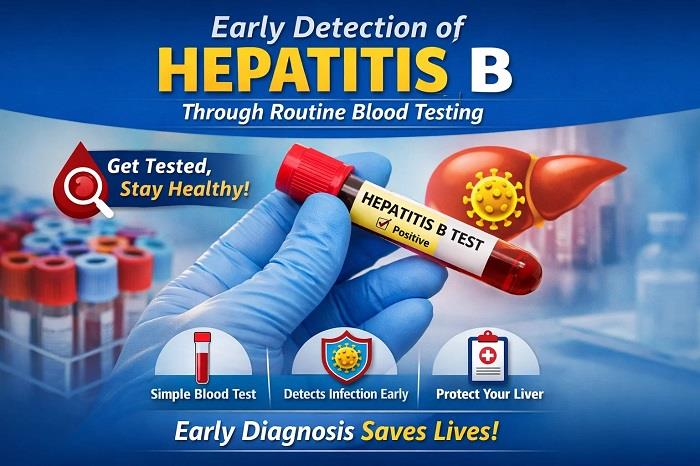
Early Detection of Hepatitis B Through Routine Blood Testing
Hepatitis B is one of those infections that can stay silent for years. Many people feel completely normal while the virus slowly affects the liver in the background. By the time symptoms appear — fatigue, jaundice, or abdominal discomfort — significant liver damage may already have occurred. That’s why early detection through routine blood testing is so important. A simple screening test can identify infection long before serious complications develop.
Early diagnosis doesn’t just protect your liver — it protects your future health. With timely monitoring and treatment, most complications of chronic infection can be prevented.
Understanding Hepatitis B
Hepatitis B is a viral infection that primarily affects the liver. It spreads through infected blood and body fluids, including unsafe injections, unprotected contact, or from mother to child during birth. Some people recover completely after infection, but others develop chronic hepatitis B, which can last a lifetime.
Chronic infection may gradually lead to liver inflammation, scarring (cirrhosis), or even liver cancer. According to global health authorities like the World Health Organization, millions of people worldwide live with hepatitis B without knowing they are infected. Because symptoms may not appear early, routine testing remains the most reliable way to detect infection.
Why Routine Blood Testing Matters
Routine blood tests can identify hepatitis B before symptoms begin. The most commonly used screening test is the HBsAg (Hepatitis B Surface Antigen) test, which detects the presence of the virus in the bloodstream. Early detection offers several important advantages:
- Identifies infection before liver damage occurs
- Allows timely medical monitoring
- Helps prevent transmission to others
- Supports early treatment if needed
- Reduces risk of complications
Many people only discover hepatitis B during a routine health checkup. Without testing, the infection can remain unnoticed for years. Regular screening is especially important in countries where hepatitis B is more common and where lifestyle or occupational risks may increase exposure.
Who Should Get Tested?
Routine hepatitis B testing is recommended for individuals who may have increased risk, including:
- People with a family history of hepatitis B
- Healthcare workers
- Individuals with diabetes or chronic illness
- Pregnant women
- People undergoing surgery
- Individuals receiving blood transfusions
- People with multiple medical procedures
- Adults who have never been screened before
Even if you feel healthy, one-time screening is often recommended for adults because infection may remain silent. Preventive testing provides reassurance if results are normal and allows early intervention if needed.
What the Test Involves
Hepatitis B screening is simple and convenient. A small blood sample is collected and analyzed in a laboratory. No special preparation is usually required. Results typically show whether:
- No infection is present
- Past infection has occurred
- Active infection is present
- Immunity is present through vaccination
If results indicate infection, doctors may recommend additional tests to evaluate liver function and viral activity. The entire process is quick, and results usually become available within a short time.
Benefits of Early Detection
Early detection of hepatitis B significantly improves long-term health outcomes. When identified early, individuals can take steps to protect liver health through medical monitoring, vaccination of family members, and lifestyle changes. Regular monitoring can prevent severe complications such as:
- Chronic liver disease
- Liver cirrhosis
- Liver failure
- Liver cancer
People diagnosed early often live normal, healthy lives with proper care and follow-up. Preventive testing is far easier and safer than treating advanced liver disease. Hepatitis B often develops quietly, which makes routine blood testing essential. Early screening provides clarity, peace of mind, and the opportunity to protect your liver before complications arise.
A simple blood test today can prevent serious health problems tomorrow. If you have never been screened for hepatitis B, routine testing is a smart and proactive step toward long-term health.