Early Warning Signs of Heart Disease
Heart disease is one of the leading health concerns worldwide, and in many cases, it develops silently over time. People often associate heart problems only with severe chest pain or sudden cardiac emergencies, but the body may show subtle warning signs long before a major event occurs. Recognizing these symptoms early can help prevent serious complications and improve long-term heart health.
Ignoring early symptoms may delay diagnosis and treatment, especially in individuals with risk factors such as diabetes, high blood pressure, obesity, smoking, or family history of cardiovascular disease. Understanding the warning signs of Heart Disease can help you seek timely medical care and make healthier lifestyle choices.
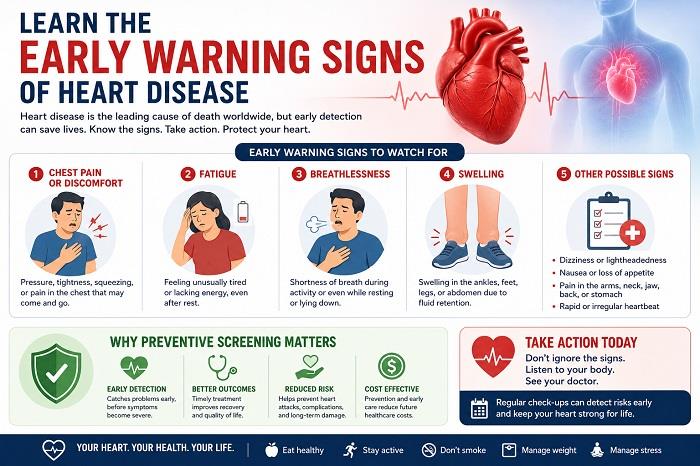
Chest Discomfort or Pressure
One of the most common signs of Heart Disease is chest discomfort. This may feel like pressure, tightness, heaviness, or a squeezing sensation in the chest.
The discomfort may occur during physical activity, emotional stress, or even while resting. Some people experience mild symptoms that come and go, making them easy to ignore. However, recurring chest pain should never be overlooked, especially if it spreads to the arms, neck, jaw, or back.
Shortness of Breath
Difficulty breathing during routine activities or while lying down may indicate that the heart is struggling to pump blood efficiently. Shortness of breath can sometimes occur even without chest pain.
This symptom is commonly associated with conditions like Heart Failure and should be evaluated promptly if persistent or worsening over time.
Unusual Fatigue and Weakness
Persistent fatigue is another warning sign that many people dismiss as stress or lack of sleep. However, unexplained tiredness—especially if it interferes with daily activities—can sometimes be linked to reduced blood flow and poor heart function.
Women, in particular, may experience unusual fatigue as an early sign of heart disease.
Rapid or Irregular Heartbeat
Occasional changes in heartbeat may not always indicate a serious issue, but frequent palpitations, fluttering sensations, or irregular heart rhythms should be medically assessed.
Abnormal heart rhythms, also known as arrhythmias, can sometimes signal underlying cardiovascular problems that require monitoring or treatment.
Swelling in Legs, Feet, or Ankles
Swelling in the lower limbs may occur when the heart cannot pump blood effectively, leading to fluid accumulation in the body. This symptom is often associated with Heart Failure and should not be ignored, especially when combined with fatigue or breathlessness.
Dizziness or Fainting
Feeling dizzy, lightheaded, or fainting unexpectedly may indicate poor blood circulation or abnormal heart rhythms. Reduced blood flow to the brain can cause these symptoms and may require immediate medical evaluation.
Excessive Sweating and Nausea
Cold sweats, nausea, or unexplained sweating—especially when accompanied by chest discomfort—may signal a heart-related problem. Many people mistake these symptoms for indigestion or anxiety, delaying necessary treatment.
Risk Factors That Increase Heart Disease Risk
Certain lifestyle and medical factors significantly increase the likelihood of developing Heart Disease. These include:
- High blood pressure
- Diabetes
- High cholesterol
- Smoking
- Obesity
- Sedentary lifestyle
- Chronic stress
- Family history of heart disease
Regular health monitoring is especially important for individuals with these risk factors.
Importance of Preventive Heart Screening
Preventive
cardiac screening helps detect hidden heart risks before symptoms become severe. Tests such as Lipid Profile Test, blood pressure monitoring, ECG, and NT-proBNP Test can provide valuable insights into heart health.
Diagnostic providers like Thyrocare Technologies Limited and Metropolis Healthcare offer preventive heart health packages that support early detection and proactive care.
How to Reduce Your Risk
Simple lifestyle changes can significantly improve heart health:
- Eat a balanced diet low in processed foods
- Exercise regularly
- Stay hydrated
- Manage stress effectively
- Avoid smoking and excessive alcohol
- Get routine health checkups
Small daily habits can make a major difference in long-term cardiovascular wellness. Heart disease often develops gradually, and the body may provide warning signs long before a serious cardiac event occurs. Symptoms like chest discomfort, shortness of breath, fatigue, or swelling should never be ignored.
Early recognition and preventive screening can help detect problems at an early stage, allowing timely treatment and better outcomes. Taking care of your heart today is one of the most important investments you can make for your future health.