Bone Health Tips Tests
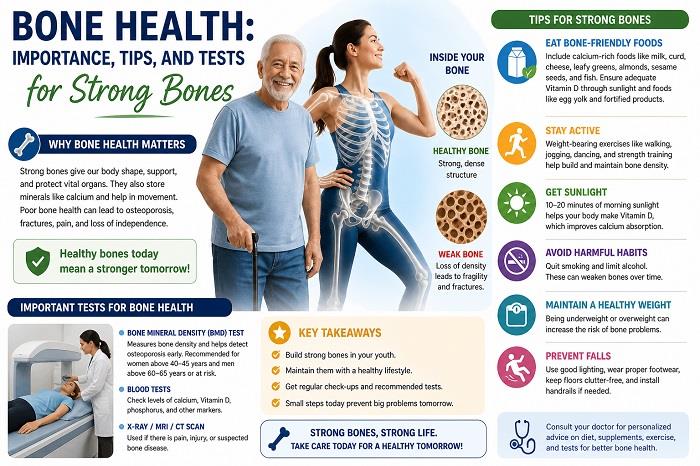
Strong bones are the foundation of a healthy body. They provide structure, protect vital organs, anchor muscles, and store essential minerals like calcium and phosphorus. However, bone health is often overlooked until problems such as pain, weakness, or fractures begin to appear. Maintaining healthy bones is crucial at every stage of life, and early care can prevent serious conditions like osteoporosis.
With modern lifestyles becoming increasingly sedentary and dietary habits often lacking essential nutrients, bone-related issues are becoming more common. Understanding the importance of bone health and taking preventive measures can help ensure long-term strength and mobility.
Why is Bone Health Important?
Bones are living tissues that constantly undergo a process of breakdown and rebuilding. During childhood and early adulthood, the body builds bone density faster than it loses it. However, after a certain age, bone loss may occur more rapidly, increasing the risk of fractures and bone disorders. Good bone health is essential for:
- Maintaining body structure and posture
- Supporting movement and physical activity
- Protecting internal organs
- Storing minerals necessary for bodily functions
Weak bones can lead to conditions like osteoporosis, which makes bones fragile and more prone to fractures.
Key Nutrients for Strong Bones
Proper nutrition plays a vital role in maintaining bone strength. Some of the most important nutrients include:
- Calcium: The primary mineral that strengthens bones and teeth
- Vitamin D: Helps the body absorb calcium effectively
- Vitamin K: Supports bone metabolism and mineralization
- Magnesium and Phosphorus: Contribute to bone structure and density
A balanced diet that includes dairy products, leafy greens, nuts, seeds, and fortified foods can help meet these nutritional needs.
Signs of Weak Bones
Bone health issues often develop silently, but certain symptoms may indicate weakening bones:
- Frequent bone or joint pain
- Increased risk of fractures
- Loss of height over time
- Weak posture or back pain
- Brittle nails or hair
If you notice these signs, it is important to take preventive action and consider health screening.
Who Is at Risk of Bone Problems?
Certain individuals are more prone to bone-related issues due to various factors:
- Older adults, especially postmenopausal women
- Individuals with low calcium or vitamin D intake
- People with sedentary lifestyles
- Those with a family history of bone disorders
- Individuals with hormonal imbalances
Regular monitoring is essential for these groups to maintain bone health.
Tests for Bone Health
Diagnostic tests play a crucial role in assessing bone strength and detecting deficiencies early. Common tests include:
- Calcium Test: Measures calcium levels in the blood
- Vitamin D Test: Evaluates vitamin D deficiency
- Bone Density Test (DEXA Scan): Assesses bone mineral density
- Phosphorus and Magnesium Tests: Check mineral balance
These tests help identify potential issues and guide appropriate treatment or lifestyle changes.
Tips to Improve Bone Health
Maintaining strong bones requires a combination of healthy habits and regular monitoring:
- Eat a Balanced Diet: Include calcium and vitamin-rich foods
- Get Sunlight Exposure: Helps the body produce vitamin D
- Exercise Regularly: Weight-bearing exercises strengthen bones
- Avoid Smoking and Excess Alcohol: These can weaken bones
- Maintain Healthy Weight: Both underweight and obesity can affect bone health
Adopting these habits early can significantly reduce the risk of bone-related problems.
Importance of Preventive Screening
Preventive health checkups are essential for maintaining bone health, especially for individuals at higher risk. Early detection of deficiencies allows for timely intervention and better management. Regular testing can:
- Identify nutrient deficiencies
- Monitor bone density
- Prevent progression of bone disorders
- Improve overall health outcomes
Preventive care is the key to long-term bone strength and mobility.
Bone health test is a vital aspect of overall well-being that should not be ignored. Strong bones support an active lifestyle and reduce the risk of fractures and chronic conditions. By maintaining a balanced diet, staying physically active, and undergoing regular health screenings, you can protect your bones and ensure a healthier future.
If you experience symptoms like bone pain or weakness, or if you are at risk of bone disorders, consider getting tested. Early detection and proper care can make a significant difference in maintaining lifelong bone health.