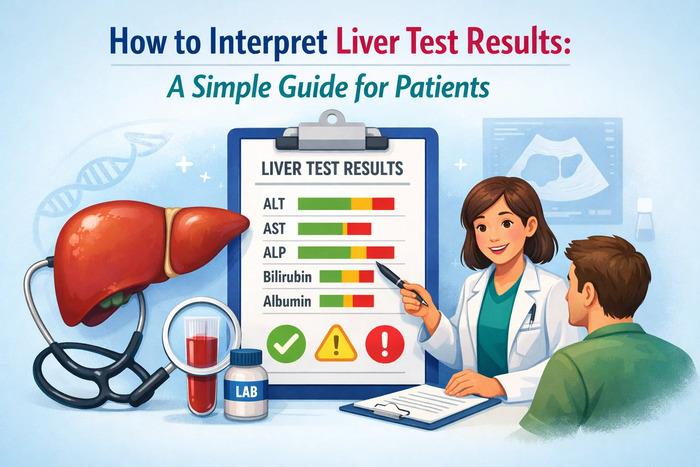
How to Interpret Liver Test Results
Getting your liver function test (LFT) report can feel confusing. The page is filled with abbreviations like ALT, AST, ALP, bilirubin, and albumin, along with numbers that don’t immediately tell you what’s normal or worrying. These tests give a snapshot of how your liver is performing one of its most important jobs: keeping your body balanced and clean.
Your liver quietly handles an enormous workload every day. It filters toxins from your blood, turns food into usable energy, makes proteins that help your blood clot and keep fluid in the right places, stores important vitamins, and produces bile to digest fats. Because it’s so resilient, it can often keep working even when mildly stressed or injured. That’s why blood tests frequently pick up problems long before you feel sick—sometimes years before jaundice, tiredness, dark urine, or swelling appear.
The Main Numbers Doctors Look At
Here are the most common markers included in a liver panel, explained in everyday language:
- ALT (Alanine Aminotransferase) Think of ALT as a signal flare released mostly from liver cells. When liver cells get irritated or hurt (from fat buildup, alcohol, viruses, or medicines), ALT spills into the blood. It’s usually the most specific clue that the liver itself is under strain.
- AST (Aspartate Aminotransferase) Similar to ALT, but this enzyme is also found in muscles, the heart, and other tissues. That’s why very high AST with normal ALT sometimes points to muscle injury rather than liver trouble.
- Bilirubin This yellow pigment comes from old red blood cells that are broken down. The liver processes it so it can leave the body through bile and stool. When bilirubin rises, skin and eyes can turn yellow (jaundice), and it often means the liver is struggling to clear this waste.
- ALP (Alkaline Phosphatase) and GGT (Gamma-Glutamyl Transferase) These two help check the bile drainage system. High levels usually suggest a blockage (gallstones, thickened bile ducts) or stress on the bile-flow pathways rather than direct damage to liver cells.
Normal ranges differ slightly between labs, but rough adult guidelines are:
- ALT: 10–40 U/L (women often lower)
- AST: 10–40 U/L
- ALP: 44–147 U/L
- GGT: <60 U/L
- Total Bilirubin: 0.3–1.2 mg/dL
- Albumin: 3.5–5.0 g/dL
Your lab report will list the exact reference range—always compare your result to that column.
When “Abnormal” Isn’t Always Serious
A single mildly raised value (say ALT at 60 instead of 40) is very common and often temporary. Everyday causes include:
- A few drinks over the weekend
- Painkillers taken regularly (especially paracetamol/acetaminophen)
- Recent viral illness
- New statin or antibiotic
- Rapid weight changes or fatty meals before the test
Doctors look at the overall picture and patterns:
- ALT and AST much higher than ALP/GGT → usually points to liver cell injury (hepatitis, fatty liver, alcohol, drugs)
- ALP and GGT high, ALT/AST only mildly up → more likely bile-flow issue (gallbladder, medications, primary biliary cholangitis)
- Very high numbers (hundreds or thousands) + feeling unwell → needs urgent attention (acute hepatitis, toxin exposure)
If abnormalities persist on repeat testing, or if several markers are off together, doctors may order an ultrasound, FibroScan, or viral blood tests to understand
the cause.
Why Checking Your Liver Regularly is Smart
Many people discover liver issues only after years of silent damage. Conditions like non-alcoholic fatty liver disease (linked to diabetes, excess weight, high triglycerides) now affect a large part of the population in cities like Delhi. Routine screening catches these changes early—when simple steps like cutting sugar, losing 5–10% body weight, walking daily, and limiting alcohol can often reverse the problem completely.
Anyone with risk factors benefits most: type 2 diabetes, obesity, long-term use of certain medicines, family history of liver trouble, or regular alcohol use. A basic LFT once a year (or more often if advised) is inexpensive insurance.
In Delhi, you can book reliable tests easily through Metropolis Healthcare (widely available with home collection), Thyrocare (budget-friendly packages), or platforms like BookMyTest that compare prices and arrange quick doorstep sample pickup. Results usually come within a day, and certified labs ensure trustworthy numbers.
The bottom line: your liver doesn’t complain loudly until damage is advanced. Listening to what your blood tests say early gives you the best chance to protect it for decades to come. If anything on your report looks off or you’re worried, talk to your doctor—they can explain what the numbers really mean for you personally.
Albumin and Total Protein These show whether the liver is still making the proteins your body needs. Low readings after months or years of trouble can indicate long-standing liver disease, because the liver has lost some of its manufacturing power.