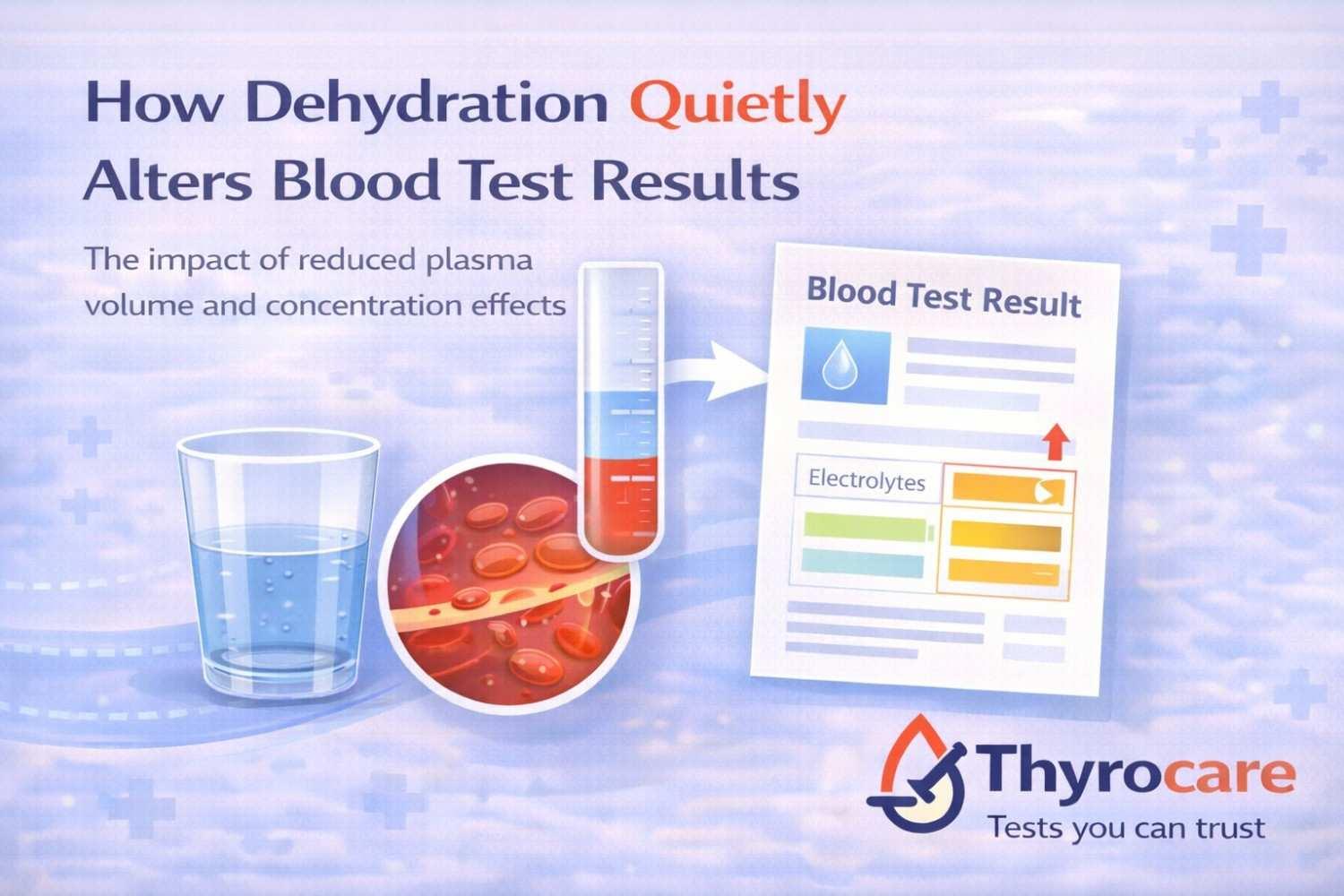
How Dehydration Quietly Alters Blood Test Results
Dehydration is often associated with obvious signs like thirst or dry mouth. What’s less commonly known is that even mild dehydration—without noticeable symptoms—can quietly influence blood test results. These changes don’t mean something is wrong with the test or the body; they reflect how sensitive blood markers are to fluid balance.
Why Hydration Matters in Blood Testing
Blood is made up of cells suspended in plasma, which is largely fluid. When the body is dehydrated, plasma volume decreases slightly. As a result, certain blood components appear more concentrated. This shift can influence how values look on a report, even if overall health remains stable.
Plasma Volume and Concentration Effects
Reduced plasma volume can make some markers appear higher than usual. This doesn’t indicate an actual increase in those substances—it simply reflects reduced fluid content in the blood at the time of collection. Once hydration improves, values often return to their usual range.
Electrolytes and Fluid Balance
Electrolytes such as sodium and potassium are closely tied to hydration status. When fluid levels drop, electrolyte concentrations may change subtly. These variations are often temporary and resolve with adequate hydration, but they can influence how test results are interpreted.
Why These Changes Can Cause Confusion
Because dehydration-related shifts don’t cause obvious symptoms, people are often surprised by slightly altered reports. Without context, these changes may feel concerning, even though they reflect fluid balance rather than underlying health issues.
Timing and Preparation Play a Role
Fluid intake before sample collection can influence results. Long gaps without water, early-morning testing, or fasting combined with low hydration may contribute to concentration effects. This is why preparation instructions are shared before testing.
How Laboratories Account for These Variations
Accredited laboratories follow strict protocols to ensure analytical accuracy. While labs maintain precision, they cannot override biological factors like hydration. This is why doctors interpret results considering preparation, timing, and trends over time.
Why Retesting May Be Recommended
If a value appears borderline and dehydration is suspected, repeat testing under proper hydration can help confirm whether the change was temporary or meaningful. Retesting adds clarity and prevents unnecessary concern.
Reliable Testing with Thyrocare
Thyrocare follows strict laboratory quality standards to ensure dependable results. When you book a Thyrocare blood test through BookMyTest, samples are collected at home under controlled conditions, and digital reports are delivered within 24 to 48 hours, supporting accurate interpretation and confidence in results.
Conclusion
Dehydration doesn’t always announce itself—but it can quietly influence blood test values. Understanding how fluid balance affects plasma volume and electrolytes helps reduce confusion and supports better interpretation of reports. Awareness of this simple factor goes a long way in making sense of blood test results.
FAQs
Can dehydration affect a Thyrocare blood test report?
Yes. Mild dehydration can influence concentration of blood components in a Thyrocare blood test, leading to slight value changes.
Is Thyrocare home sample collection reliable if hydration is low?
Yes. Thyrocare home sample collection follows strict protocols, but hydration status can still affect biological values.
Should I drink water before a Thyrocare blood test at home?
Unless fasting instructions say otherwise, normal hydration is generally recommended before a Thyrocare blood test at home.
If my Thyrocare report looks abnormal, could dehydration be the reason?
In some cases, yes. Doctors often consider hydration before interpreting Thyrocare blood test reports.
How soon are Thyrocare test reports available after collection?
Most Thyrocare blood test reports booked via BookMyTest are delivered digitally within 24 to 48 hours.