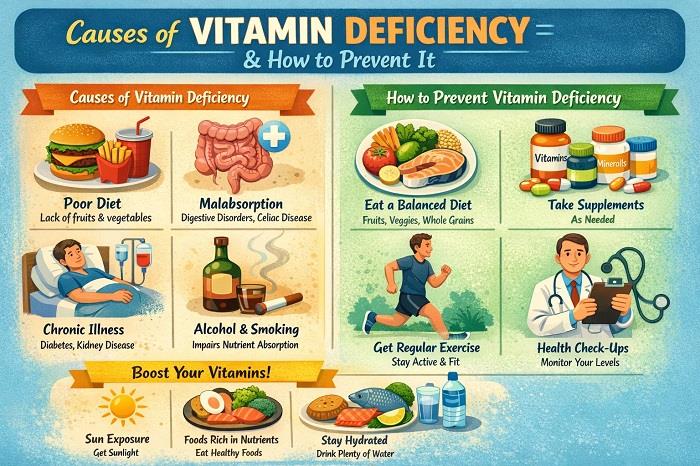
Causes of Vitamin Deficiency and How to Prevent It
Vitamins play a crucial role in maintaining overall health. From supporting immunity and boosting energy levels to maintaining healthy skin, bones, and brain function, these micronutrients are essential for daily bodily processes. Yet, vitamin deficiencies are increasingly common due to modern lifestyles, dietary habits, and underlying health conditions. Understanding the causes of vitamin deficiency and knowing how to prevent it can help you protect your long-term health.
Common Causes of Vitamin Deficiency
One of the primary causes of vitamin deficiency is poor dietary intake. Diets high in processed foods and low in fruits, vegetables, whole grains, and lean proteins often lack essential nutrients. For example, inadequate consumption of leafy greens can lead to folate deficiency, while limited dairy or sun exposure may result in low vitamin D levels.
Another significant factor is poor nutrient absorption. Even if your diet appears balanced, certain medical conditions can prevent the body from properly absorbing vitamins. Digestive disorders such as celiac disease, inflammatory bowel disease, and chronic gastritis can interfere with nutrient absorption. Long-term use of certain medications may also reduce vitamin absorption, particularly vitamin B12.
Lifestyle habits also play a role. Smoking, excessive alcohol consumption, chronic stress, and lack of sleep can deplete key nutrients. Alcohol, in particular, interferes with the absorption of B vitamins and other essential nutrients, increasing the risk of deficiency over time.
Age-related changes further contribute to vitamin deficiencies. As people grow older, the body becomes less efficient at absorbing certain nutrients, especially vitamin B12 and vitamin D. Hormonal changes during pregnancy, menopause, or aging can also increase the body’s nutritional requirements.
Symptoms of Vitamin Deficiency
Vitamin deficiencies often develop gradually and may not cause immediate symptoms. Early signs are frequently subtle and can be mistaken for general fatigue or stress. Common symptoms include persistent tiredness, hair fall, brittle nails, dry skin, frequent infections, muscle weakness, mood changes, and slow wound healing.
For example, vitamin D deficiency may present as bone pain or muscle weakness, while vitamin B12 deficiency can cause fatigue, memory issues, and tingling sensations in the hands and feet. Iron deficiency, one of the most common nutritional deficiencies worldwide, often leads to anemia, characterized by weakness and pale skin.
Because these symptoms overlap with many other health conditions, laboratory testing is often the most reliable way to confirm a deficiency.
How to Prevent Vitamin Deficiency
Preventing vitamin deficiency begins with maintaining a balanced and nutrient-rich diet. Incorporate a variety of colorful fruits and vegetables, whole grains, nuts, seeds, dairy products, and lean protein sources into your meals. Each vitamin serves a specific function, and dietary diversity ensures broader nutrient coverage.
Regular sun exposure helps maintain healthy vitamin D levels, while fortified foods can support intake of nutrients like B12 and folate. However, dietary efforts alone may not always be sufficient, especially for individuals with absorption issues or increased nutritional demands.
Supplementation can help in certain cases, but it should ideally be guided by medical advice. Taking high-dose supplements without proper testing may lead to imbalances or unnecessary intake.
Equally important is managing lifestyle factors. Limiting alcohol, quitting smoking, reducing stress, and getting adequate sleep can significantly improve nutrient utilization and overall health.
The Importance of Vitamin Testing
Since symptoms are often vague, preventive vitamin testing is a practical and proactive step. Blood tests can measure levels of key nutrients such as vitamin D, vitamin B12, folate, iron, and other essential markers. Early detection allows for timely dietary adjustments or supplementation before deficiencies lead to complications.
Routine health checkups are particularly important for high-risk groups, including older adults, pregnant women, vegetarians, individuals with chronic medical conditions, and people experiencing unexplained fatigue or hair fall.
Accurate testing provides clarity and helps avoid guesswork. Instead of self-diagnosing based on internet research, laboratory results offer evidence-based guidance for corrective action.
Take Control of Your Health Today
Vitamin deficiencies may seem minor at first, but untreated nutritional gaps can affect immunity, bone strength, heart health, and overall vitality. Early identification and prevention are far more effective than treating advanced complications.
Book a comprehensive vitamin testing package today to assess your nutrient levels and detect hidden deficiencies early. Reliable diagnostic providers offer accurate testing, quick reports, and convenient home sample collection—making preventive care simple and accessible. Don’t wait for symptoms to worsen. Take a proactive step toward better health and long-term wellness.