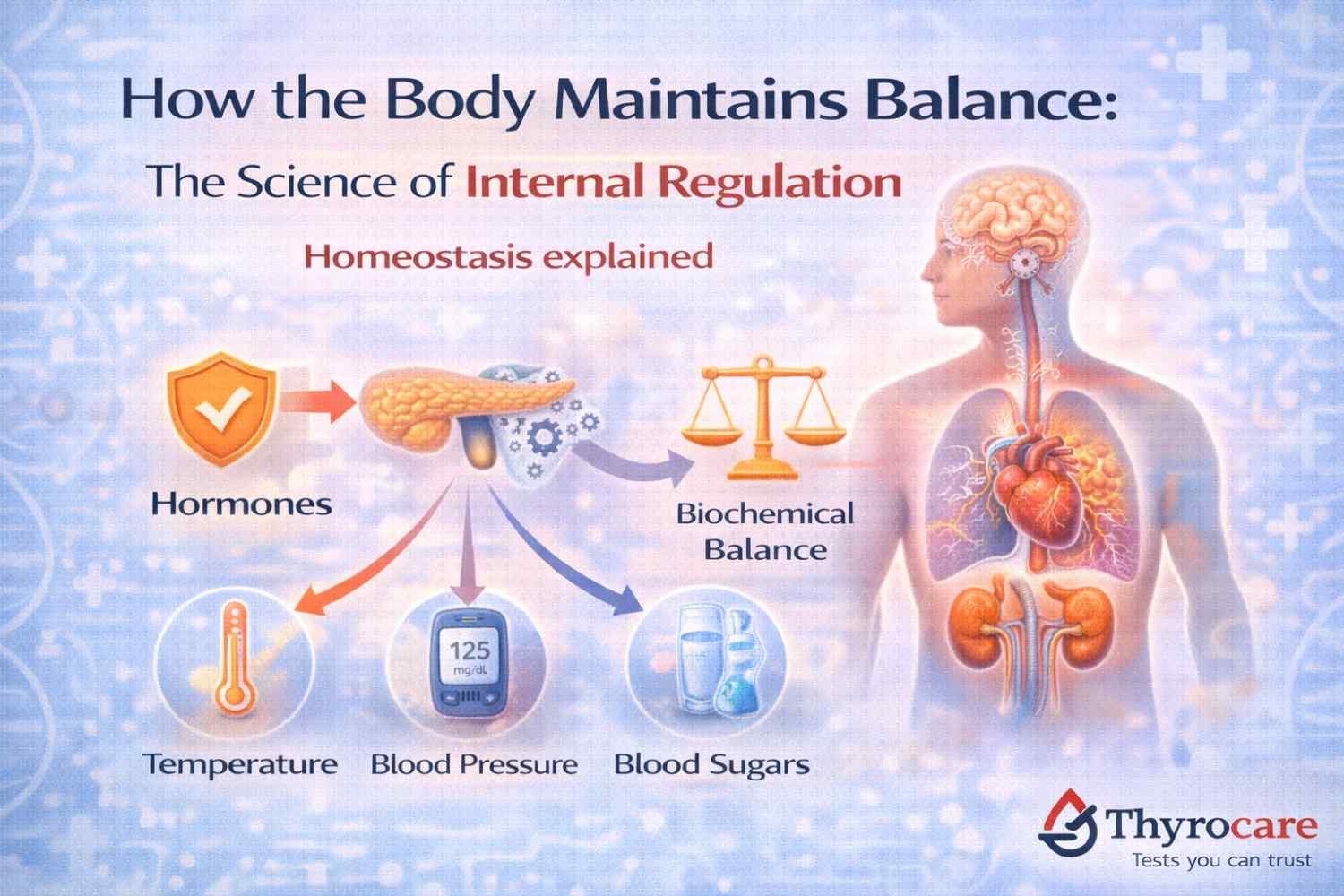
How the Body Maintains Balance: The Science of Internal Regulation
The human body is constantly adjusting itself to maintain stability. Every second, complex systems work quietly in the background to keep temperature steady, regulate blood sugar, balance fluids, and ensure organs function smoothly. This remarkable ability to maintain internal balance is known as homeostasis.
Even when external conditions change—after eating a meal, exercising, or experiencing stress—the body continuously adapts to restore equilibrium. Understanding this process reveals how multiple organs, hormones, and biochemical reactions work together to support overall health.
What Is Homeostasis?
Homeostasis refers to the body’s ability to maintain a stable internal environment despite external changes. Instead of remaining static, the body constantly monitors and adjusts its internal systems to keep them within a healthy range.
This regulation affects several vital functions, including:
- Blood sugar levels
- Body temperature
- Fluid and electrolyte balance
- Hormonal activity
- Blood pressure
When these systems remain balanced, the body functions efficiently.
The Role of Hormones in Regulation
Hormones act as chemical messengers that help coordinate many aspects of homeostasis. They travel through the bloodstream, delivering signals that influence metabolism, energy use, and organ activity.
For example:
- Insulin helps regulate blood sugar after meals.
- Thyroid hormones influence metabolic rate and energy production.
- Cortisol helps the body respond to stress and maintain energy balance.
Through these hormonal signals, the body constantly adjusts internal processes to keep them stable.
How Organs Work Together
Homeostasis depends on collaboration between multiple organs. Each organ contributes to maintaining balance in a specific way.
- The liver regulates nutrient processing and detoxification.
- The kidneys maintain fluid balance and remove waste products.
- The heart and blood vessels ensure proper circulation.
- The pancreas controls glucose regulation through insulin and glucagon.
When these systems communicate effectively, the body maintains internal stability.
Biochemical Balance at the Cellular Level
Beyond organs and hormones, countless biochemical reactions occur within cells to sustain life. Enzymes regulate metabolic pathways, electrolytes maintain electrical signals in nerves and muscles, and nutrients fuel energy production.
Even small imbalances in these processes can affect overall health. This is why biochemical markers measured through blood tests often reflect how well the body’s regulatory systems are functioning.
What Happens When Balance Is Disrupted
While the body works continuously to maintain homeostasis, prolonged stress on these regulatory systems can lead to imbalance. Persistent metabolic strain, inflammation, or hormonal disruption may gradually affect how organs function.
In early stages, the body often compensates effectively. Over time, however, sustained imbalance may contribute to chronic health conditions.
Recognizing early changes through routine health monitoring helps identify when these regulatory systems begin to shift.
How Blood Tests Reflect Internal Balance
Blood tests provide insight into how well homeostasis is being maintained. Markers related to glucose levels, lipid metabolism, kidney function, liver enzymes, and hormones can reveal subtle changes in internal regulation.
Routine testing helps monitor these markers and detect early deviations before symptoms appear.
Preventive Monitoring with Thyrocare
Thyrocare offers comprehensive blood testing that evaluates metabolic markers, hormone levels, and organ function indicators. When you book a Thyrocare blood test through BookMyTest, professional home sample collection ensures convenience, and digital reports are delivered within 24 to 48 hours, supporting proactive health monitoring.
Regular testing helps track how effectively the body maintains internal balance.
Conclusion
Homeostasis is the body’s remarkable ability to maintain stability in a constantly changing environment. Through the coordinated efforts of hormones, organs, and biochemical systems, the body continuously adjusts itself to preserve internal balance. Understanding this process highlights the importance of monitoring health markers and maintaining awareness of how these regulatory systems function over time.
FAQs
What is homeostasis in the human body?
Homeostasis is the body’s ability to maintain stable internal conditions such as blood sugar, temperature, and fluid balance.
How do hormones help maintain internal balance?
Hormones act as chemical messengers that regulate metabolism, energy use, and organ function.
Can blood tests show if the body’s internal balance is changing?
Yes. A Thyrocare blood test can evaluate metabolic markers, hormones, and organ function indicators.
Is Thyrocare home sample collection available for preventive testing?
Yes. Thyrocare home sample collection is available when booking routine health screening through BookMyTest.
How soon are Thyrocare blood test reports delivered?
Most Thyrocare blood test reports are delivered digitally within 24 to 48 hours.