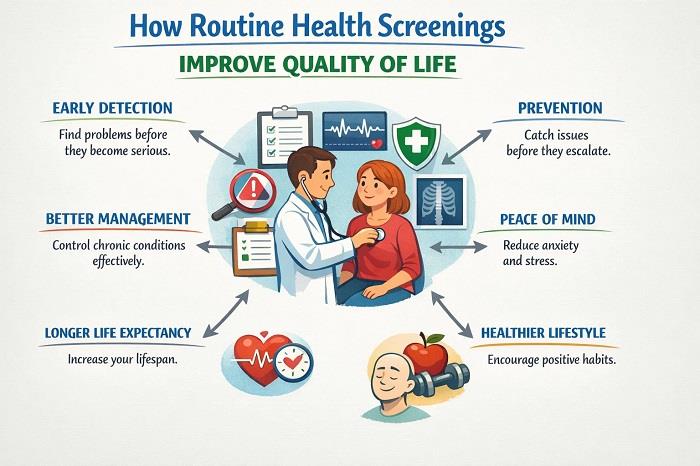
How Routine Health Screenings Improve Quality of Life
Routine health screenings play a vital role in maintaining overall well-being by identifying potential health issues before they become serious. Many chronic and lifestyle-related diseases develop silently, showing few or no symptoms in the early stages. Regular screenings help detect these conditions early, allowing timely medical intervention and lifestyle changes that can significantly improve long-term health outcomes and quality of life.
Early Detection and Prevention of Diseases
One of the most important benefits of routine health screenings is early disease detection. Tests such as blood sugar, cholesterol, blood pressure, and basic organ function assessments can reveal early warning signs of conditions like diabetes, heart disease, kidney disorders, and liver problems. Detecting diseases at an early stage often means simpler treatment, lower medical costs, and better recovery outcomes.
Screenings also help identify risk factors before illness develops. For example, borderline cholesterol or elevated blood pressure may not cause symptoms but can increase the risk of heart disease over time. Early identification allows individuals to make preventive lifestyle changes, such as improving diet, increasing physical activity, and managing stress, reducing the likelihood of future complications.
Improved Management of Chronic Conditions
For individuals with existing health conditions, routine screenings are essential for effective disease management. Regular monitoring helps track disease progression and evaluate how well current treatments are working. This is particularly important for chronic conditions like diabetes, hypertension, and thyroid disorders, where consistent monitoring can prevent complications and hospitalisations.
Health screenings provide measurable data that help doctors adjust medications, recommend lifestyle modifications, and prevent disease-related complications. Better disease control leads to fewer symptoms, increased energy levels, and a more active, independent lifestyle, directly contributing to improved quality of life.
Encouraging Healthier Lifestyle Choices
Routine health screenings often motivate individuals to adopt healthier habits. Seeing test results can create awareness about personal health status and encourage positive behavioural changes. When people understand their health risks, they are more likely to follow medical advice, maintain a balanced diet, exercise regularly, and avoid harmful habits such as smoking or excessive alcohol consumption.
Preventive screenings also reinforce the importance of regular self-care. Over time, these healthy habits help improve physical fitness, mental well-being, and immunity, enabling individuals to enjoy daily activities with greater confidence and vitality.
Reducing Stress and Health-Related Anxiety
Uncertainty about health can be a major source of stress. Routine health screenings provide reassurance by confirming that vital health parameters are within normal ranges or by identifying issues early when they are more manageable. Knowing one’s health status allows individuals to make informed decisions and feel more in control of their well-being.
Early detection and timely treatment reduce the fear of unexpected medical emergencies. This peace of mind contributes to better mental health, improved sleep, and overall emotional stability, all of which are essential components of quality of life.
Supporting Longevity and Healthy Aging
As people age, the risk of developing chronic diseases increases. Routine health screenings become even more important in supporting healthy aging. Regular monitoring of bone health, cardiovascular function, metabolic health, and organ function helps detect age-related changes early and manage them effectively.
By preventing complications and maintaining functional independence, health screenings help individuals stay active and engaged in their personal and professional lives for longer. This promotes not just a longer life, but a healthier and more fulfilling one.
Routine health screenings are a cornerstone of preventive healthcare and play a significant role in improving quality of life. Through early detection, better management of chronic conditions, encouragement of healthier lifestyle choices, reduced stress, and support for healthy aging, regular screenings empower individuals to take control of their health. Making routine health checkups a priority is a proactive step toward long-term wellness and a better quality of life.